

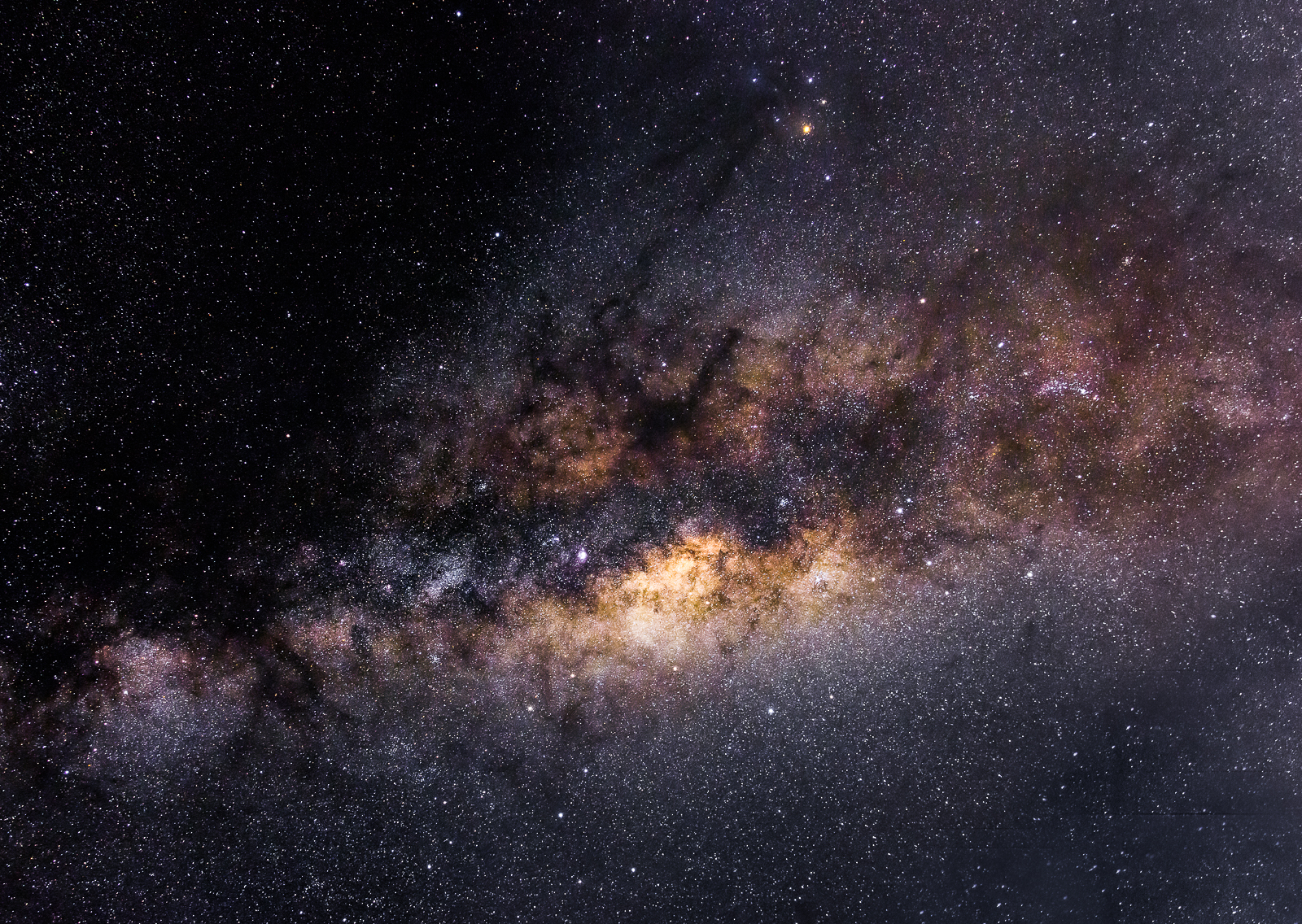
Image 1: Credit: Daniele Ardizzone
This is a question we get asked very frequently, and there are two answers to it:
1. the short answer is: YES. Every night of the year we see part of the Milky Way because our planet (and the Solar System) is located smack within our home galaxy
2. the more articulate answer is: YES BUT IT DEPENDS.
Let me elaborate on the subject so you can get a sense of perspective. Our solar system is one of the hundreds of billions making up our galaxy, along with a whole lot of dust particles and hot gases. The Milky Way is a spiral galaxy, with two large arms and several secondary ones called ‘spurs’. The galaxy spins on its axis (where a supermassive black hole called Sagittarius A* is located) and this is the reason why it has its peculiar shape. Our planet sits about two thirds of the way into the so-called Orion spur or Cygnus-Sagittarius arm. You can see in the image (which is not a real photograph because distances are so great that we have not been able to travel outside of our galaxy yet) where home is in relation to the Milky Way. As a consequence of our galaxy spinning, the solar system completes one full rotation in about 200 million years.
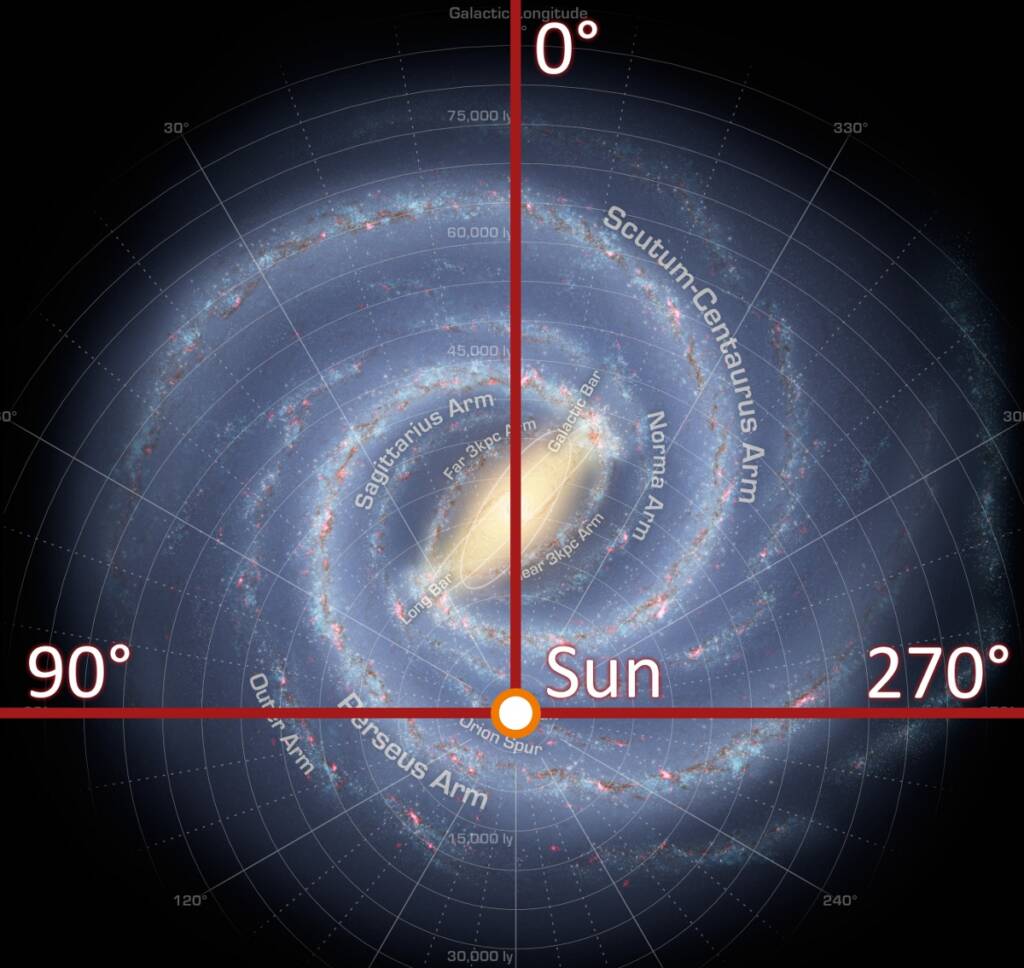
Image 2 credit: By Brews added grid to original NASA file – PD-USGov-NASA, PD-USGov-NASA/copyright, Public Domain, https://commons.wikimedia.org/w/index.php?curid=5512655
Now, we all know that the Earth orbits around the Sun every 365 days, so when we look up at the night sky we see different portions throughout the year but, at least with the naked eye, we are still looking within our galaxy. Keep in mind that our eyes are really bad at picking up low light so the farthest star we are able to see is roughly 2000 light years away, and that the diameter of the Milky Way is over 100.000 light years across!
What people refer to when they talk about seeing the Milky Way is actually the core of our galaxy, which is a spectacular sight to behold especially from dark-sky locations such as the Teide National Park in Tenerife. Because the distance between the Earth and the center is about 26.000 light years, we should not be able to see any detail with the naked eye, but because there are so many stars packed together, that region of the sky looks like a brighter, milky band that the ancient Greeks called ‘galaxias’ (gala indeed means milk in Greek). Unfortunately at the present time, light pollution all over the planet is preventing about 70% of the world’s population from seeing the sky like our ancestors used to, and you can witness it by trying to count the stars you can see from the city or town you live in (spoiler: not many!). The galactic core is visible in the northern hemisphere (where Tenerife is located) from February to November at different times of the night, right before sunrise early in the year and gradually showing earlier and earlier as the months go by. During our sunset and stargazing tours, we get to see the core starting in June. In December and January, the Sun is directly in front of the galactic center from our perspective so we cannot see it.
Does it mean that we cannot see the Milky Way between November and May during our tours? Actually, during winter we get to see the outside arm of the galaxy, the Orion spur, and although it is a bit fainter than the core, it still shows well above the Teide National Park and has a great number of very interesting objects to marvel at. In fact, many people favor the winter sky for its wonderful features!
I hope this post answer your questions and clears your doubts so you can join us all-year round on an unforgettable night under the stars!
Written by Daniele Ardizzone


